An outdoor statue can become one of the most memorable features of a garden, patio, or landscape—but the surrounding area determines whether it looks intentionally designed or simply placed in an empty spot.
Plants, stone, lighting, pathways, furniture, and architectural details can all help connect the artwork to its environment. The objective is not to cover the sculpture with decorations. It is to create a setting that supports its subject, scale, finish, and personality.
These outdoor decorating tips will help you style the area around an outdoor statue while keeping the complete landscape balanced and visually cohesive.
When decorating around an existing statue, begin with the artwork and work outward.
Consider its most noticeable characteristics:
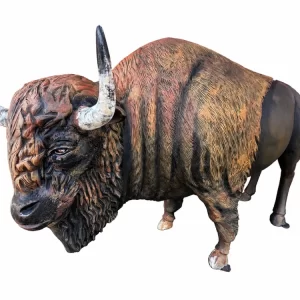
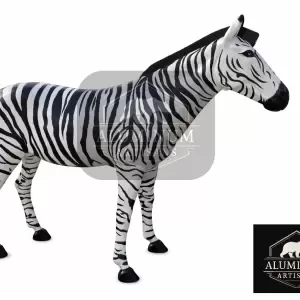
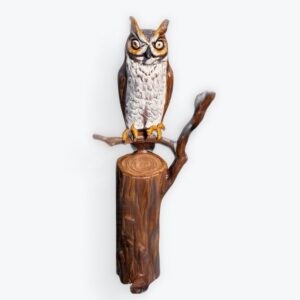
A large buffalo or horse may require an open, natural setting. A detailed owl could work within a quiet garden corner. A polished eagle may benefit from a raised position, while a whimsical dinosaur or alien could become part of a playful outdoor scene.
The surrounding decorations should reinforce the statue rather than compete with it.
Before adding plants or furniture, stand in the locations where people will most often view the piece. This may include a doorway, window, patio, pathway, driveway, or seating area. These views will help determine what should be placed behind, beside, and in front of the statue.
There are two main ways to incorporate sculpture into an outdoor space.
A statue can blend into the environment, appearing naturally integrated with plants, rocks, and other landscape materials. This approach works well for wildlife sculptures, woodland gardens, ranch properties, and naturalistic landscapes.
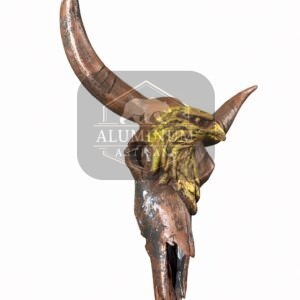
Alternatively, the sculpture can intentionally contrast with its surroundings. A dark metal statue against a light wall or a polished aluminum piece surrounded by deep green foliage creates a stronger visual statement.
Neither approach is better. The choice depends on the effect you want.
To help a statue blend in:
To make the statue stand out:
Making this decision early will guide the rest of the decorating process.
The ground immediately surrounding the statue helps visually connect it to the property.
A sculpture placed directly on an unfinished patch of soil or lawn may appear temporary. Creating a defined base makes the installation feel complete.
Possible base treatments include:
The base should complement the style of the statue and the surrounding property.
Natural stone works well with wildlife and Western sculptures. Clean pavers or a simple pedestal can complement modern pieces. Gravel and drought-tolerant plants are effective in Southwestern landscapes.
Make sure the surface is level and stable. Larger sculptures may require anchoring or a prepared foundation based on their size, shape, and exposure to wind.
A clear background helps define the statue’s silhouette and makes its details easier to appreciate.
Useful backgrounds include:
Avoid positioning a highly detailed statue in front of an equally busy background. Similar textures and colors can make the piece visually disappear.
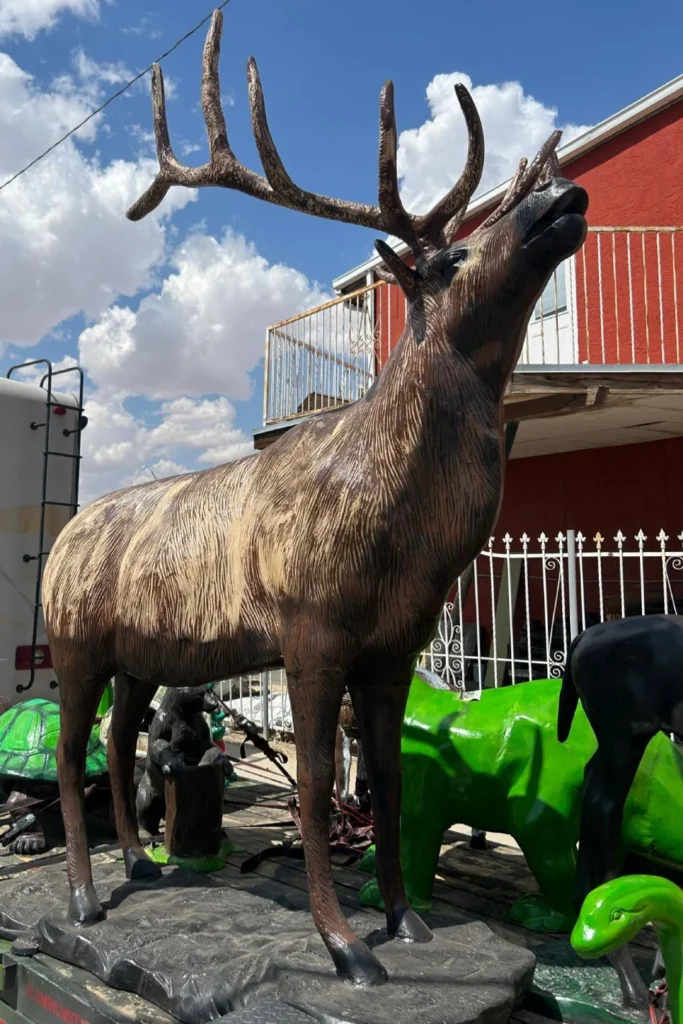
For example, a dark buffalo may stand out beautifully against pale stone or golden grasses. A silver aluminum sculpture may appear more clearly against greenery, a dark wall, or warm-colored stucco.
The background does not need to be directly behind the statue. It simply needs to provide enough contrast to make the outline recognizable from the primary viewing location.
Plants help soften the base and integrate a statue into the garden. However, they should frame the sculpture rather than cover its important features.
A practical planting arrangement includes:
Consider how large each plant will become. A small shrub may eventually grow high enough to block the sculpture. Leave adequate distance and choose plants that can be trimmed without losing their natural shape.
Ornamental grasses can introduce movement around a stationary statue. Flowering plants add seasonal color, while succulents and desert plants create strong shapes with relatively little visual clutter.
For a wildlife sculpture, use plants that suggest the animal’s natural setting. Deer and elk work well with grasses, trees, and boulders. Turtles can be incorporated near water or low greenery. Bears may suit wooded areas with stone and shade plants.
Explore additional ideas in our guide to creating a wildlife-inspired garden.
Repeating selected colors or materials helps the statue feel connected to the rest of the property.
A dark metal statue can relate to:
A bronze or brown finish may coordinate with wood, natural stone, warm stucco, or earth-toned pavers. A silver statue can complement contemporary architecture, stainless steel features, or cool-colored stone.
The finishes do not need to match exactly. Repeating a similar tone two or three times is often enough to establish visual continuity.
Quality metal garden statues can work with many different landscape materials because their finishes provide contrast against plants, wood, stone, and architectural surfaces.
The direction a statue faces can influence how people experience the landscape.
An animal looking down a pathway can guide attention toward another part of the garden. A sculpture facing a seating area may feel more interactive. A statue turned toward the entrance can appear to welcome arriving visitors.
Avoid directing the sculpture toward a blank utility area, trash enclosure, air-conditioning unit, or other unattractive feature.
Instead, use its pose to connect different landscape elements.
For example:
This small decision can make the statue feel like an active part of the outdoor scene.
Pathways, furniture, and landscape borders naturally direct the eye. They can be used to lead attention toward the statue.
A curved pathway may reveal the sculpture gradually. A straight path creates a more formal view and makes the statue a clear destination. Patio seating can be positioned so the artwork becomes part of the experience without directly facing every chair toward it.
Use surrounding elements to create visual lines:
Keep practical circulation in mind. The sculpture should enhance the pathway without narrowing it or creating a tripping hazard.
One of the most common decorating mistakes is adding too many objects around the statue.
Open space allows the viewer to recognize the sculpture’s form and appreciate its details. It also makes the installation look more intentional.
The amount of space required depends on the statue’s size and complexity. Pieces with large horns, wings, tails, or extended poses generally need more visual separation.
Instead of filling every gap, use a limited number of supporting elements. A sculpture, two or three plant groups, a defined base, and one lighting feature may be enough.
This is especially important in compact patios and courtyards. One well-positioned statue often creates a stronger result than several small decorations competing for attention.
When a statue is located near a patio or seating area, it should relate to the furniture without interfering with how the area is used.
Consider:
A sculpture can be placed slightly beyond the seating area to create an attractive view. Smaller pieces may work beside a bench, near a planter, or along the edge of the patio.
Avoid placing large statues directly beside chairs where they may make guests feel confined. Keep the main entertaining area functional and use the sculpture to define its outer edge.
Outdoor lighting can make the statue visible after sunset while revealing details that may be less noticeable during the day.
Common lighting approaches include:
Use warm, controlled lighting for residential spaces. Excessively bright fixtures can flatten the sculpture’s details or create glare.
Position lights where the fixture itself remains relatively hidden. The viewer should notice the artwork and its shadows—not the equipment illuminating it.
Test the lighting from the patio, windows, and pathways before permanently installing the fixtures.
Different sculptures benefit from different surroundings.
Combine deer, elk, bears, buffalo, and birds with natural stone, native grasses, trees, and organic planting arrangements.
Use wood, gravel, flagstone, rustic metal, leather-inspired colors, and desert plants around horses, bulls, buffalo, and longhorns.
Choose simple backgrounds, clean paving, limited plant varieties, strong architectural lines, and carefully controlled open space.
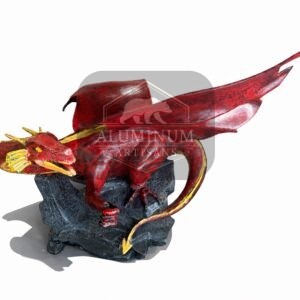
Dinosaurs, aliens, dragons, and playful animals can be surrounded by colorful plants or placed where visitors will discover them unexpectedly.
Pair detailed sculptures with symmetrical planters, trimmed shrubs, fountains, flowering plants, and formal pathways.
The goal is to create consistency without turning the outdoor area into an exaggerated theme.
The statue can remain the permanent feature while smaller decorations change throughout the year.
Seasonal updates may include:
Keep these additions secondary to the sculpture. Avoid covering the artwork or attaching decorations that could damage its finish.
Changing the surrounding plants and accents allows the outdoor area to feel refreshed without purchasing a new centerpiece.
When styling an outdoor statue, avoid:
A simple, coordinated setting will usually create a stronger result than an overly decorated installation.
The most effective outdoor decorating begins with one clear focal point and builds a supporting environment around it.
Use a stable base, a defined background, carefully layered plants, repeated materials, and enough open space for the artwork to remain visible. Consider the statue’s direction, the primary viewing angles, and how the setting changes between daytime and evening.
When each element has a purpose, the sculpture becomes more than an object in the yard. It becomes part of a complete outdoor experience.
Explore our collection of outdoor statues to find wildlife, Western, contemporary, and imaginative pieces for gardens, patios, entrances, and landscaped outdoor spaces.