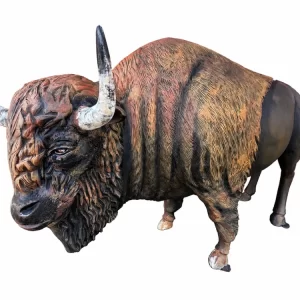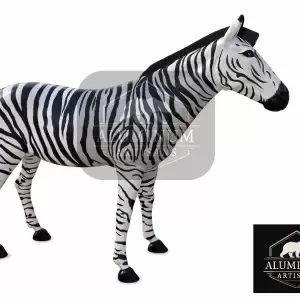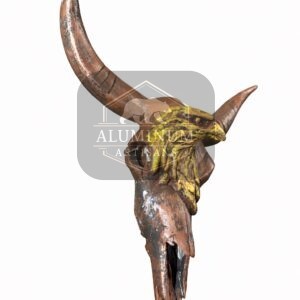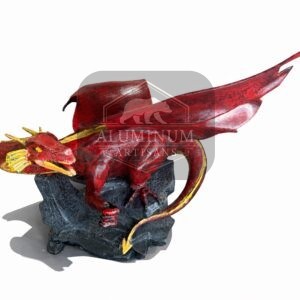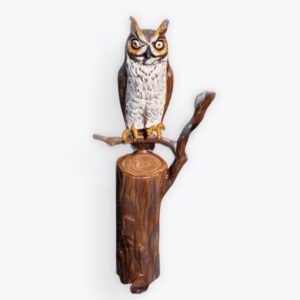
While garden statues are typically smaller and decorative, landscape sculptures are designed with scale, placement, and environment in mind.
Key differences include:
Landscape sculptures are about shaping outdoor space, not just filling it.
Landscape sculptures vary widely in form and purpose, allowing designers to adapt them to different environments.
Abstract Landscape Sculptures
Abstract forms emphasize movement, balance, and visual flow. These sculptures are commonly used in modern landscapes and public spaces where artistic expression is central.
Figurative Landscape Sculptures
Figurative sculptures depict recognizable forms and are often used in traditional landscapes, memorial gardens, or institutional settings.
Architectural & Geometric Sculptures
These sculptures complement structured landscapes and modern architecture, reinforcing clean lines and spatial order.
Nature-Inspired Sculptures
Organic shapes and forms inspired by plants, animals, or natural movement help sculptures blend seamlessly into natural surroundings.
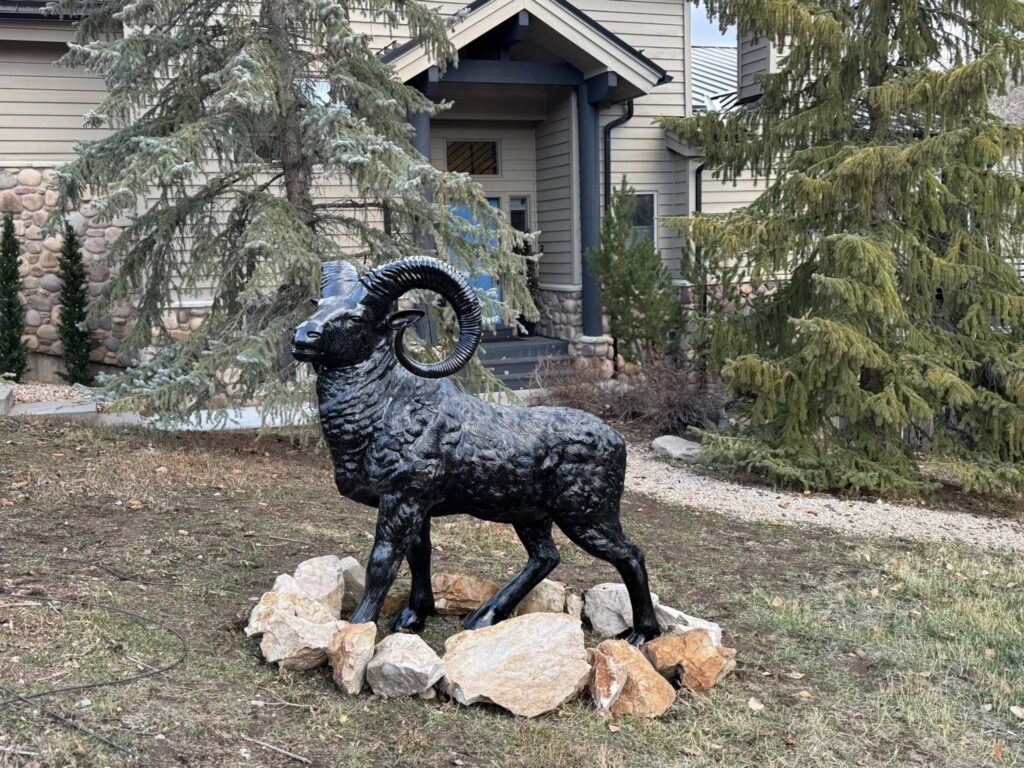
Material choice plays a critical role in durability, appearance, and long-term performance.
Common materials include:
Learn more about Metal Garden Statues.
Landscape sculptures serve both aesthetic and functional purposes within outdoor spaces.
They can:
Create visual focal points
Guide circulation and movement
Anchor large open areas
Establish identity in public or commercial spaces
Add artistic value to landscape architecture
When thoughtfully placed, sculptures enhance both form and function.
Selecting a landscape sculpture requires consideration beyond aesthetics alone.
Key factors include:
Many landscape sculptures are custom-designed to fit specific environments or concepts. Custom sculptures allow for:
Site-specific dimensions
Unique artistic expression
Integration with architectural plans
Long-term visual impact
Custom work is common in public spaces, commercial developments, and high-end residential projects.