A memorable garden is not created by filling every empty area with decorations. It develops through carefully chosen details that give the landscape personality, meaning, and a sense of discovery.
Garden statues can help transform ordinary outdoor areas into places that feel welcoming, peaceful, playful, or connected to nature. A sculpture may become the centerpiece of the garden, appear unexpectedly along a pathway, or add quiet character to a corner surrounded by flowers.
The best garden statue inspiration begins with the experience you want to create. Before selecting a piece, consider how you want the garden to feel and what kind of story you want it to tell.
Whether your style is natural, Western, traditional, contemporary, or imaginative, metal garden statues offer a distinctive way to bring art and personality outdoors.
Instead of starting with an empty location, begin with the atmosphere you want the garden to have.
Do you want the space to feel calm and private? Natural and wildlife-inspired? Bold and artistic? Playful and unexpected? The answer can help determine the type of statue, its size, finish, and surrounding landscape.
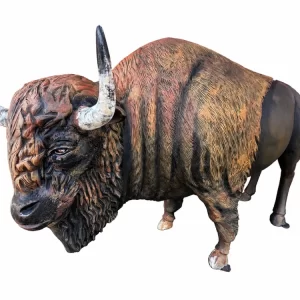
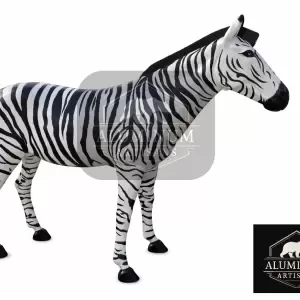
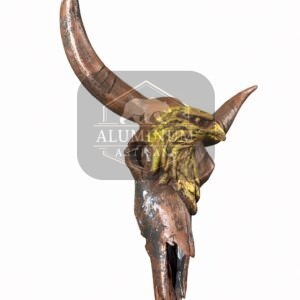
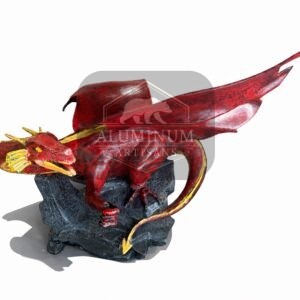
A deer or elk may create a peaceful connection with nature. A buffalo, horse, ram, or longhorn can introduce strength and Western character. Birds and turtles can add a quieter decorative touch, while dinosaurs, dragons, and aliens can bring imagination and humor into the garden.
Choosing the feeling first makes it easier to select a statue that belongs in the space rather than one that simply fills an opening.
The entrance establishes the first impression of a garden. A sculpture positioned near a gate, walkway, or patio entrance can make that transition feel more intentional.
The statue does not need to be directly in the center. Placing it slightly to one side allows it to welcome visitors without obstructing movement.
Consider framing the piece with:
A pair of coordinating statues can create a more formal entrance, while one distinctive animal sculpture may provide a relaxed and personal welcome.
The key is to leave enough open space around the statue for its form to remain visible.
Some of the most memorable garden statues are not visible immediately. They are discovered while walking through the landscape.
A sculpture partially framed by plants, positioned around a pathway curve, or placed beyond an arbor can create a moment of surprise. This encourages visitors to explore the garden and notice details they might otherwise overlook.
The statue should remain recognizable rather than completely hidden. Use plants to frame its shape, direct attention, and make the piece feel integrated into the garden.
This approach works particularly well with:
A sense of discovery gives the artwork a role within the garden’s story.
Animal statues can help create the feeling of wildlife moving through the landscape. Instead of displaying the sculpture as an isolated object, surround it with materials and plants that suggest its natural environment.
A buffalo may be placed among tall grasses and large rocks. Deer or elk can appear along the edge of trees and shrubs. An eagle can be elevated to create a stronger view of its wings and silhouette.
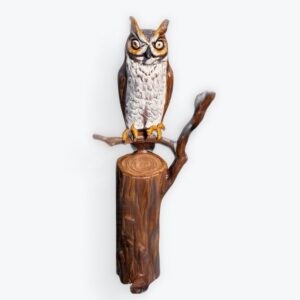
Think about the animal’s natural behavior and position the statue accordingly. A deer facing down a pathway can suggest movement, while an owl looking toward a seating area can feel watchful and interactive.
Using native plants, natural stone, wood, and earth-toned materials will help connect the sculpture to its surroundings.
For more ideas, explore our guide to creating a wildlife-inspired garden.
Not every garden statue needs to become a dramatic centerpiece. Smaller sculptures can bring character to overlooked corners without dominating the landscape.
A compact statue may work well:
These quieter placements allow visitors to appreciate the artwork at a closer distance. They can also make small gardens and courtyards feel more complete without adding excessive decoration.
When working with a limited area, choose one piece with a clear personality and leave enough room for people to move comfortably around it.
A statue can help establish a relaxing destination within the garden. Positioning artwork near a bench, shaded seating area, or water feature gives the space a stronger sense of purpose.
For a peaceful atmosphere, select a sculpture with a calm pose and surround it with soft plant forms, gentle colors, and natural textures.
Good supporting elements include:
The statue should complement the seating area rather than compete with it. A piece positioned slightly beyond the furniture can provide something attractive to view while relaxing.
This creates an outdoor room that feels both personal and connected to the surrounding garden.
Plants can help a statue feel rooted within the landscape, but they should not hide its most important features.
Use lower plants around the base and taller varieties behind or beside the sculpture. This creates layers while preserving the artwork’s outline.
Consider how the planting will change over time. Young shrubs may eventually cover the statue, while seasonal flowers may disappear during part of the year. Leave adequate space for mature growth and choose plants that support the sculpture in different seasons.
Contrast is also important. A dark statue will stand out against lighter flowers, stone, or foliage. A silver or bronze finish may appear more clearly against deep green plants or a simple wall.
The goal is to create a visual relationship between the artwork and the garden while allowing each one to remain distinct.
A garden becomes more meaningful when its artwork reflects something about the people who live there.
An animal may represent a favorite place, family history, personal quality, cultural connection, or memorable experience. A horse might symbolize freedom and movement. An eagle may represent independence and vision. A buffalo can communicate resilience and strength.
Whimsical sculptures can express humor and creativity, while realistic wildlife statues may reflect an appreciation for nature.
Before selecting a piece, consider:
A statue chosen for personal reasons is more likely to remain an important part of the landscape as other decorations and plants change.
One of the most interesting qualities of outdoor sculpture is how its surroundings change throughout the year.
Spring flowers can add color around the base. Summer plants may make the scene feel fuller and more natural. Autumn leaves can create a warm background, while winter reveals the sculpture’s complete silhouette.
A durable statue provides visual interest even when the garden is not in bloom. Its shape, texture, and finish become especially noticeable during seasons when plants are dormant.
When planning the installation, consider how the area will look throughout the year—not only on the day the statue is placed.
This will help create a garden scene that remains attractive across changing weather and seasons.
Lighting allows a garden statue to create a second experience after sunset.
A soft light positioned near the base can reveal surface texture and form. Side lighting creates depth, while backlighting emphasizes the outline of horns, wings, legs, or other recognizable features.
Avoid using fixtures that are excessively bright or directed toward windows and seating areas. The light should gently reveal the sculpture without creating glare.
Solar lights may work for smaller accents, but wired landscape lighting generally provides greater control for larger or more important pieces.
Test the sculpture from the places where it will be viewed at night, including the patio, windows, walkways, and garden entrance.
Appearance is important, but the statue also needs to perform in an outdoor environment.
Aluminum is well suited for gardens because it is corrosion-resistant, relatively lightweight, and easier to reposition than similarly sized stone or concrete pieces. It can also support detailed textures and a wide range of decorative finishes.
Before installing any garden statue, consider:
Place the statue on a level, stable surface and follow the recommended care instructions for its finish.
Selecting a material intended for outdoor use helps the artwork maintain its appearance while becoming a lasting part of the landscape.
The right garden statue does more than occupy an empty space. It creates a welcome, reveals a surprise, supports a theme, or represents something meaningful.
Walk through your garden and notice the areas that naturally attract attention. Look through windows and doors to identify important views. Consider where visitors pause, where pathways change direction, and where the landscape could benefit from a stronger sense of personality.
Then choose a sculpture that helps create the experience you want.
Explore our collection of metal garden statues to discover wildlife, Western, imaginative, and decorative pieces designed to bring art and lasting character into outdoor spaces.