A small patio or courtyard may offer limited space, but it can still have a strong visual personality. The right sculpture can transform an overlooked corner, complement surrounding plants, or create a focal point that makes the entire area feel more intentional.
Selecting outdoor art for a compact space requires balance. A piece should be noticeable without making the patio feel crowded or interfering with how the area is used. By considering scale, placement, materials, and viewing angles, you can find an outdoor statue that adds character without overwhelming the space.
Before selecting a sculpture, think about the patio’s primary purpose. Is it used for entertaining, relaxing, dining, gardening, or simply as a decorative transition between the home and yard?
A patio with a dining table needs enough room for people to move chairs and walk comfortably. A quiet courtyard may have more flexibility for a decorative focal point surrounded by plants, rock, or outdoor lighting.
Consider the features already occupying the space, including:
A sculpture should enhance these elements instead of competing with them.
One of the most important considerations when selecting outdoor sculptures for patios is proportion. A sculpture that is too small may disappear among furniture and plants, while one that is too large can make the area feel crowded.
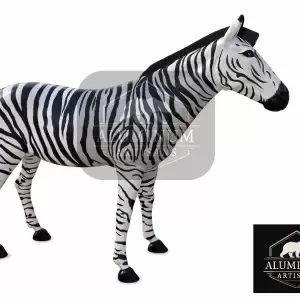
For compact patios, consider a smaller animal statue, a slender vertical sculpture, or a piece that can be positioned against a wall or within a landscaped corner. Courtyards with tall walls may support a taller sculpture because the surrounding architecture provides a larger visual backdrop.
Before purchasing a piece, measure the intended location and consider its height, width, and depth. You can outline the approximate footprint with painter’s tape or place a similarly sized object in the location. This provides a better sense of how much visual and physical space the sculpture will occupy.
Remember to evaluate the sculpture from several angles. It may be viewed from the patio seating area, through a window, from an exterior doorway, or while approaching from the yard.
Small outdoor spaces usually benefit from one carefully chosen focal point instead of several unrelated decorations. A single sculpture can give the patio a stronger identity while helping the overall design remain clean and organized.
The piece does not necessarily need to be large. A sculpture becomes a statement through its shape, finish, positioning, and relationship with the surrounding space.
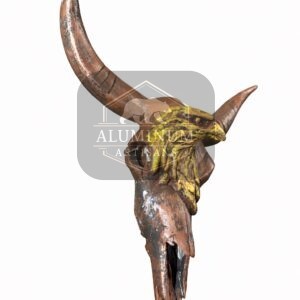
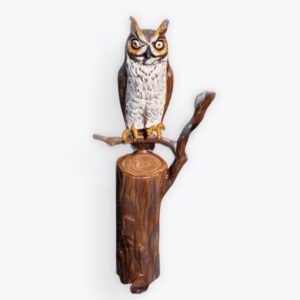
For example, a detailed wildlife sculpture placed among ornamental grasses can introduce a natural character. A horse, buffalo, deer, or other Western-inspired piece can reinforce a rustic or Southwestern setting. A more streamlined metal sculpture can complement a contemporary courtyard with simple furniture and architectural plants.
If you want the sculpture to become the patio’s main feature, use the principles discussed in our guide to choosing statement pieces for backyard design, adapting the ideas to the smaller proportions of a patio or courtyard.
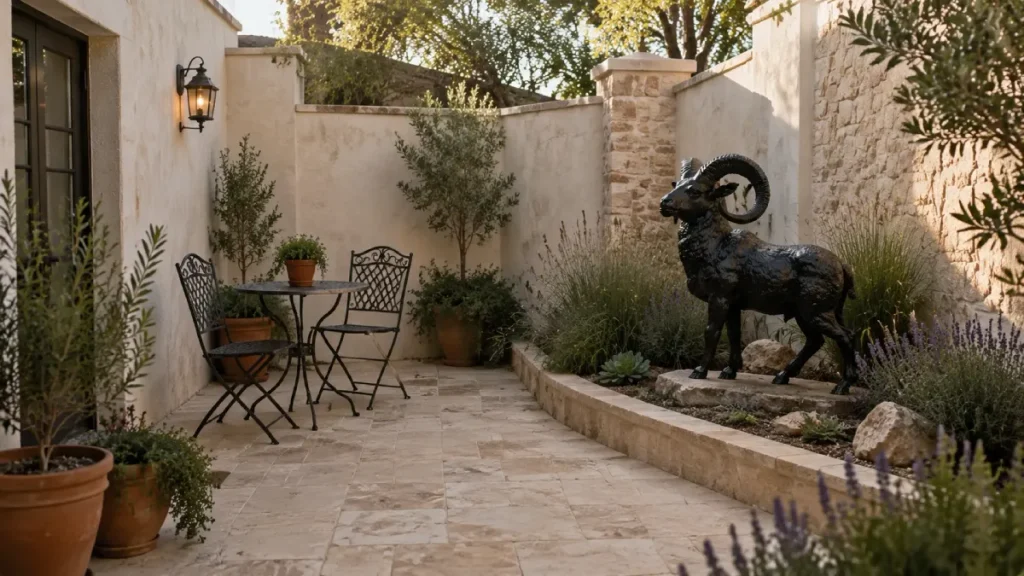
Corners are often the most effective locations for sculptures in small patios. They are visually noticeable but generally remain outside the main walking area.
A sculpture can also be positioned:
The surrounding architecture can act as a frame. A sculpture placed against brick, stucco, stone, or wood may stand out more clearly than one surrounded by numerous decorative objects.
Avoid filling every open corner. Leaving some negative space around the sculpture helps define its shape and makes the patio feel larger.
Your sculpture does not need to match every element on the patio, but it should feel connected to the home’s architecture and the surrounding landscape.
Wildlife and animal sculptures work well with gardens, natural stone, decorative gravel, and native plants. Western sculptures can complement ranch-style homes and Southwestern courtyards. Pieces with cleaner lines or metallic finishes can introduce contrast in modern outdoor spaces.
Color also affects how prominent the sculpture appears. A finish that contrasts with the wall or landscaping will make the piece more noticeable. Similar colors create a quieter, more integrated appearance.
For patios with simple architecture and minimal landscaping, explore how modern garden statues can add personality without introducing unnecessary visual clutter.
When floor space is limited, look for opportunities to use vertical space. A taller, narrower sculpture can create a noticeable decorative feature while occupying a relatively small footprint.
You can also increase the visual presence of a compact sculpture by placing it on a stable pedestal or within a raised garden bed. This brings the piece closer to eye level and prevents it from becoming hidden behind patio furniture or plants.
The base should be proportionate to the sculpture and suitable for exterior use. Make sure the complete arrangement remains stable, particularly in open courtyards or areas exposed to strong winds.
Material is especially important when a sculpture will remain outdoors throughout the year. Aluminum offers several advantages for patios and courtyards because it is durable, corrosion-resistant, and generally easier to reposition than similarly sized pieces made from stone or concrete.
Quality metal garden statues can provide detailed forms and distinctive finishes while requiring relatively little maintenance. Aluminum is also suitable for covered and uncovered spaces, making it a practical option for patios exposed to sunlight, rain, or changing temperatures.
Basic maintenance generally involves periodically removing dirt and debris with a soft cloth and mild cleaning solution. Harsh chemicals and abrasive cleaning tools should be avoided because they may affect the decorative finish.
A sculpture should feel like part of the patio rather than an object that was added afterward. Repeating nearby colors, shapes, or textures can help visually connect the piece with its surroundings.
Try combining the sculpture with:
Plants can soften the sculpture’s base, but they should not completely hide the piece. Leave enough separation for the outline and important details to remain visible.
Furniture can also help establish scale. A sculpture positioned near a bench or seating arrangement should complement its proportions rather than tower over guests or become hidden beneath a table.
Courtyards and patios are often visible through windows and glass doors. This means the sculpture can contribute to the home’s interior view even when the outdoor area is not being used.
Stand inside the room that overlooks the patio and identify the strongest sightline. Placing the sculpture within that view can create a framed outdoor scene and provide year-round visual interest.
This approach is particularly useful in small courtyards, where one thoughtfully positioned piece may be visible from several rooms.
Decorative appeal should never interfere with the patio’s practical use. Maintain comfortable clearance around doors, stairs, furniture, and frequently used walking paths.
Place the sculpture on a level, stable surface and consider local wind exposure. Larger pieces may require additional anchoring depending on their shape, weight, location, and installation surface.
Avoid placing sculptures where they could create a tripping hazard or obstruct access to utilities, drainage areas, gates, or outdoor equipment. If children or pets regularly use the patio, stability becomes even more important.
A small patio or courtyard does not require numerous decorations to feel complete. One thoughtfully selected sculpture can introduce personality, reinforce the style of the home, and turn an ordinary outdoor area into a memorable setting.
Start with the dimensions and function of the space, choose a piece with the appropriate scale, and position it where it can be appreciated without interrupting movement. With the right balance, even a compact courtyard can comfortably accommodate meaningful outdoor art.
Explore our collection of outdoor statues to find distinctive pieces for patios, courtyards, gardens, and other outdoor living spaces.